 listicle
7 Examples of Threatening Behaviour at Work
Last Updated: October 26, 2026
Quick Summary
Threatening behaviour at work includes verbal threats, physical intimidation, written messages, and aggressive gestures that express intent to harm someone or their property. Examples range from explicit statements like 'I'm going to hurt you' to clenched fists, hostile emails, or threatening notes left in workplaces.
- Verbal threats, aggressive language, and shouting are among the clearest warning signs that a situation is escalating.
- Physical intimidation such as clenched fists, invading personal space, or slamming desks communicates intent to harm without contact occurring.
- Written threats through emails, messages, or social media create documented records and often indicate deliberate intent to intimidate.
- Healthcare, education, retail, transport, and care sectors face distinct patterns of threatening behaviour that staff should recognise.
- Staff need clear reporting processes, de-escalation training, and organisational support to respond safely to threatening incidents.
Table of Contents
- Verbal Threats and Aggressive Language
- Physical Intimidation and Threatening Gestures
- Written Threats and Digital Communication
- Examples of Workplace Threats in Specific Sectors
- Workplace Bullying and Health and Safety Obligations
- How to Report Threatening Behaviour at Work
- Responding to Aggressive Behaviour at Work
- Building a Safer Workplace Culture
- Free Download: the Threatening Behaviour Toolkit
- Frequently Asked Questions
Verbal Threats and Aggressive Language
Threatening behaviour at work often starts with words. Verbal threats are direct statements expressing intent to harm, injure, or damage someone or their property. They're among the clearest warning signs that a situation is escalating.
Common examples include explicit threats ("I'm going to hurt you"), threats against property ("I'll smash your car"), or veiled threats that imply harm without stating it directly ("You'll regret this"). Aggressive language, shouting, swearing, or hostile tone, frequently accompanies these threats, creating an intimidating environment even when no physical contact occurs.
In healthcare settings, staff often encounter verbal aggression from patients or relatives under stress. A patient might shout abusive language at nurses during a difficult procedure. In schools, a parent might use threatening language during a heated discussion about their child's behaviour. These situations escalate quickly without proper de-escalation.
The impact on staff is significant. Repeated exposure to verbal aggression causes stress, anxiety, and burnout. Many organisations underestimate how damaging words alone can be, but the psychological effect on your team is real and measurable.
Physical Intimidation and Threatening Gestures
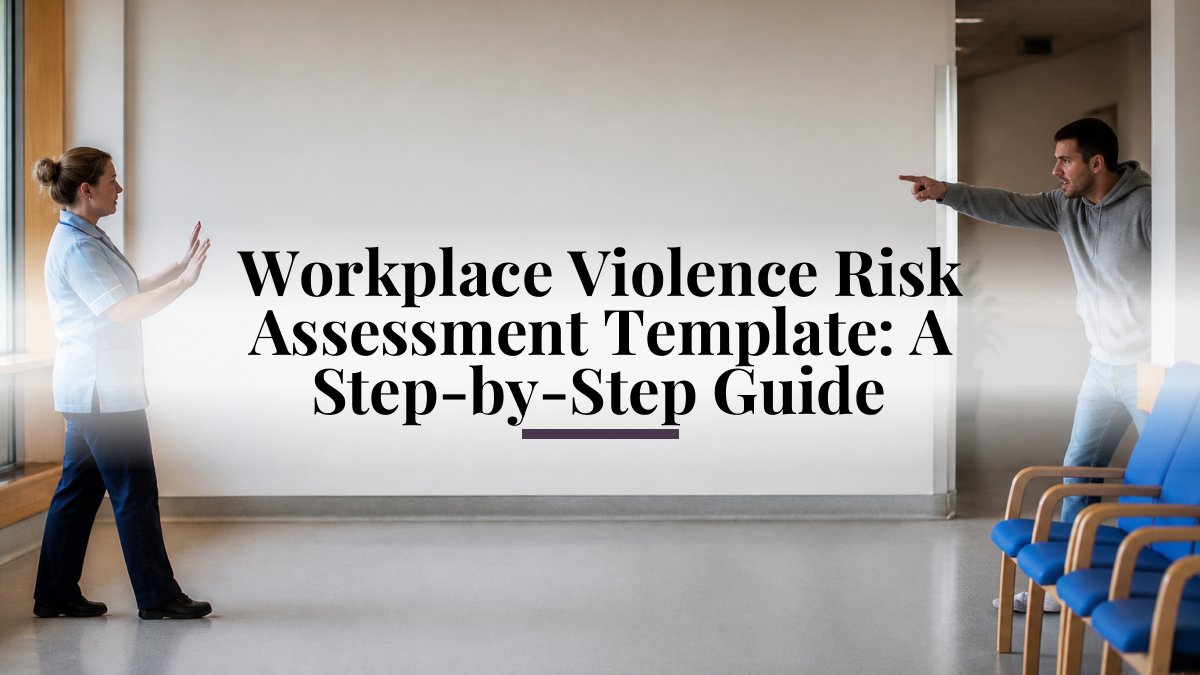
Physical intimidation doesn't always involve contact. Threatening gestures, clenched fists, pointing fingers aggressively, invading personal space, communicate intent to harm without a punch being thrown.
Common examples include standing too close to someone in a confrontational manner, slamming fists on desks or tables, throwing objects (even if not directed at a person), or making aggressive hand movements. A person might square their shoulders, clench their jaw, or make eye contact in an overtly hostile way. These behaviours create fear and signal that violence may follow.
In retail environments, a customer might lean across a counter with fists clenched, clearly agitated. In transport settings, a passenger might stand in an aggressive stance, blocking exits or approaching staff with threatening body language. In care homes, a resident might make threatening gestures towards staff during personal care tasks.
The distinction matters: physical intimidation creates immediate danger even without contact. Your staff need to recognise these warning signs early, before situations escalate to actual violence. Training in recognising these patterns helps teams respond appropriately and protect themselves.
Written Threats and Digital Communication
Threatening behaviour extends beyond face-to-face interactions. Written threats, emails, messages, notes, create a documented record and often indicate deliberate intent to intimidate.
Examples include threatening emails sent to staff members, abusive messages through workplace chat systems, hostile social media posts directed at employees or the organisation, or threatening notes left in workplaces. Digital communication can feel less immediate than verbal threats, but the impact is often greater because it's recorded and can be forwarded widely.
A staff member might receive an email stating "I know where you work. I'll be waiting for you." A manager might find a threatening note in their office. A social media post might target specific employees by name with hostile language. These written threats often escalate situations because they show premeditation.
The digital nature creates additional complications. Threats can spread quickly through networks, affecting multiple staff members. They create evidence for investigation and legal action, but they also create lasting anxiety because the threat persists in writing.
Examples of Workplace Threats in Specific Sectors
Different work environments face distinct threatening behaviour patterns. Understanding your sector's specific risks helps your team prepare and respond effectively.
Healthcare settings: Patients or relatives under extreme stress may threaten staff during medical procedures, diagnoses, or waiting times. A relative might threaten a nurse over perceived delays in care.
Education: Parents may make threatening comments during disciplinary meetings about their children. Students might threaten teachers or other students. Staff in schools with challenging behaviour populations face regular threats as part of the environment.
Retail and hospitality: Customers dissatisfied with service may threaten staff verbally or through written complaints escalated to threats. Security staff in retail environments face threats from shoplifters or aggressive customers. Bar and restaurant staff encounter threats from intoxicated patrons.
Transport: Drivers and station staff face threats from passengers, particularly during fare disputes or crowded periods. Lone workers are especially vulnerable. Threats may escalate quickly in confined spaces like buses or trains.
Care and support services: Staff supporting individuals with challenging behaviour face regular threats. Residents in care homes may threaten staff during personal care or behavioural incidents. Support workers in the community face threats in isolated settings.
Each sector requires tailored awareness. Your team's specific risks depend on your environment, your service users, and your staffing model.
Different work environments face distinct patterns of threatening behaviour that staff should recognise.
Sector | Common Threats | Context |
|---|---|---|
Healthcare | Threats from patients or relatives | During procedures, diagnoses, or waiting times |
Education | Threats from parents | During disciplinary meetings about children |
Retail and hospitality | Threats from dissatisfied customers | Over service complaints or disputes |
Transport | Threats from passengers | During fare disputes or crowded periods |
Care and support services | Threats from residents | During personal care or behavioural incidents |
Workplace Bullying and Health and Safety Obligations
Threatening behaviour often forms part of broader workplace bullying patterns. Bullying, repeated, unreasonable behaviour directed towards an employee, creates a hostile work environment and is a health and safety issue.
Bullying includes persistent threats, intimidation, humiliation, or exclusion. When threats occur repeatedly from the same person or group, they constitute bullying. Your organisation has a legal duty to protect staff from bullying and harassment under health and safety law.
The Health and Safety at Work etc. Act 1974 requires employers to ensure the health, safety, and welfare of employees. This includes protecting them from violence and threatening behaviour. Failing to manage these risks creates liability for your organisation and harm to your staff.
Bullying that includes threats creates measurable harm: increased sickness absence, reduced productivity, higher staff turnover, and long-term psychological impact. Staff who experience threatening behaviour and bullying often develop anxiety, depression, or PTSD-like symptoms.
Your organisation should have clear policies defining what constitutes threatening behaviour and bullying, how staff should report it, and how you'll investigate and respond. These policies should be communicated clearly to all staff and consistently enforced.
How to Report Threatening Behaviour at Work
Reporting threatening behaviour requires clear processes that protect the person reporting and ensure proper investigation. Many staff don't report threats because they're unsure how, fear retaliation, or don't believe action will be taken.
Your reporting process should be straightforward and accessible. Staff should be able to report to their manager, HR, a designated safety representative, or an anonymous hotline. Multiple reporting routes encourage staff to speak up.
When reporting, staff should document:
- What happened (specific words or actions)
- When it occurred (date and time)
- Who was involved (names of the person making threats and any witnesses)
- Where it happened (location)
- Impact on the staff member and others
Documentation creates an evidence trail for investigation. It also helps identify patterns, single incidents are concerning, but repeated threats from the same person or escalating threats are more serious.
Your organisation should investigate promptly. This means speaking with the person who reported the threat, any witnesses, and the person accused of making the threat. Investigation should be confidential but thorough.
You can learn more about comprehensive approaches to managing these situations through workplace violence prevention resources and step-by-step guidance on reporting procedures. For many organisations, having clear reporting systems is the foundation of safer workplaces.
Contact us to discuss how to establish clear reporting channels for your organisation.
Responding to Aggressive Behaviour at Work
When threatening behaviour occurs, your immediate response matters. Staff need to know how to respond safely without escalating the situation further.

Safe response involves several key steps. First, prioritise safety, remove yourself and others from immediate danger if the threat involves violence. Don't attempt to manage a situation alone if you feel unsafe.
Second, stay calm. Your tone, body language, and words influence how the other person responds. Speaking in a measured voice, using open body language, and avoiding defensive language can de-escalate tension.
Third, set boundaries clearly. Tell the person what behaviour you will and won't tolerate. Be specific: "Raising your voice and using that language is not acceptable. If you continue, I'll need to end this conversation."
Fourth, remove yourself from the situation if it continues. Don't engage with escalating threats. Leave the area, alert a manager or security, and report the incident formally.
Your team needs training in these de-escalation techniques. Conflict management training provides staff with practical skills for managing tense situations before they become violent.
After any threatening incident, follow your reporting process. Don't minimise what happened or assume it was a one-off. Each threat should be documented and investigated.
Building a Safer Workplace Culture
Creating a workplace where threatening behaviour is rare requires sustained effort. Culture change starts with leadership commitment and clear communication that threatening behaviour is never acceptable.
Your organisation should communicate zero-tolerance policies clearly. Staff need to know that threats will be taken seriously, investigated promptly, and addressed through appropriate disciplinary or support processes.
Training your entire workforce, not just managers, helps build awareness. Staff who understand what constitutes threatening behaviour, how to report it, and how to respond safely are better equipped to protect themselves and their colleagues.
Create multiple ways for staff to report concerns. Some staff won't report to their direct manager if that person is involved in the threatening behaviour.
Support staff after incidents. Threatening behaviour affects people psychologically. Staff who experience threats need access to support, whether that's counselling, occupational health services, or simply time to recover before returning to work.
Investigate thoroughly and communicate outcomes. When staff report threats and see action taken, they trust the system. When reports disappear into silence, staff stop reporting.
Finally, involve staff in safety decisions. Ask them what threats they encounter, what support they need, and how you can improve safety together. Staff insights are invaluable for identifying patterns and developing practical solutions.
Personal Safety Partnership Ltd. works with organisations across healthcare, education, care, and security to build safer cultures. We provide conflict management training that equips your team with practical de-escalation skills, helping staff respond confidently to threatening situations.
Free Download: the Threatening Behaviour Toolkit
Threats are easier to handle when your team can spot them early, knows what to say, and knows who to tell. Download our free toolkit and put this blog into practice today:
- Spotter Checklist: the seven examples of threatening behaviour, and what to do about each
- Safe Response Pocket Card: four steps and the words to use, in a printable card
- 10-Minute Toolbox Talk: a ready-made team briefing with an attendance record
- After a Threat: The First 24 Hours: a manager’s checklist for the hours that matter most
- Is Your Workplace Ready? A 10-question self-check that shows where your gaps are
Need more than a checklist?
Personal Safety Partnership is an ICM and NFPS accredited training provider. Our conflict management training gives your staff practical de-escalation skills, so they can respond confidently when a situation turns threatening.
Book a FREE 30-minute Introductory Meeting – No obligations, No pressure:
Working together to keep you safe. Stay Safe!
Frequently Asked Questions
What counts as threatening behaviour at work?
Threatening behaviour at work includes any conduct that makes someone feel unsafe or afraid. This covers verbal threats (direct or implied), physical intimidation, aggressive gestures, written messages (email, text, social media), or deliberate property damage. It can be a single incident or a pattern of behaviour. The key test is whether a reasonable person would feel threatened or intimidated by the conduct.
Can workplace bullying be a health and safety issue?
Yes. Workplace bullying and health and safety are directly linked. Employers have a legal duty to protect staff from harm, including psychological harm from bullying. Persistent threatening behaviour, intimidation, or humiliation can cause stress, anxiety, and depression. This creates a health and safety risk that organisations must address through reporting systems, investigation, and training.
How should you respond to threatening behaviour at work?
Stay calm and do not escalate the situation. Move to a safe location if possible and involve a manager or security immediately. Document what happened, including dates, times, and witnesses. Report it formally through your organisation's incident reporting system. Do not attempt to handle it alone. Your employer should investigate and take action. Training in conflict management and de-escalation techniques can help staff respond safely.
What are examples of verbal threats in the workplace?
Verbal threats include direct statements like 'I'll hurt you' or 'You'll regret this', implied threats such as 'You'd better watch yourself', aggressive shouting or swearing directed at someone, threats to damage property or reputation, and repeated hostile comments designed to intimidate. Even vague or indirect language can count as a threat if it creates genuine fear or alarm in the recipient.